


Lactic Acid 10% + HA
Original price was: ₨ 5,400.₨ 3,295Current price is: ₨ 3,295. Price reflects genuine imported stock.
Is this product right for you?
Ask Askora AI about this product, suitability, usage, routine, or compatibility before you buy.
Our skincare experts recommend


A high-strength exfoliator that works to reveal smoother skin.
Highlights
100% Original & Sealed | Imported Stock
- Delivery in 2–4 Days Nationwide
- Cash on Delivery Anywhere in Pakistan
- 7-Day Money-Back Guarantee (If Not Satisfied)
What is The Ordinary Lactic Acid 10% + HA?
If you’re searching for The Ordinary Lactic Acid 10% in Pakistan, you’ve found an exfoliating serum that addresses multiple skin concerns without overwhelming sensitive or dry skin types. This formulation pairs lactic acid, a member of the alpha hydroxy acid family, with hyaluronic acid to simultaneously resurface and hydrate.
Many users in Pakistan dealing with uneven texture, rough patches, or a lackluster complexion turn to this serum as a weekly or bi-weekly treatment. Unlike harsher exfoliants, lactic acid has a larger molecular structure, meaning it works more gradually on the skin’s surface layers rather than penetrating too deeply, making it commonly recommended for those new to gentle chemical exfoliant routines.
This product is particularly relevant for Pakistan’s climate zones, where seasonal dryness in winter and intense sun exposure in summer can leave skin looking dull and patchy.
By incorporating this serum into your evening routine, you may help accelerate cellular turnover, revealing fresher skin underneath while the hyaluronic acid component draws moisture into the epidermis.
Key Ingredients and How They Function
The primary active in this formulation is lactic acid at a 10% concentration. Lactic acid belongs to the alpha hydroxy acid (AHA) group, derived historically from sour milk but now synthesized for cosmetic use. It functions by loosening the bonds between dead skin cells on the stratum corneum, encouraging them to shed more efficiently. This process can support a smoother texture and may help reduce the appearance of fine lines over time.
What distinguishes lactic acid from glycolic acid, another popular AHA, is its larger molecular size and additional hydrating properties. This makes it a suitable AHA for pigmentation concerns without causing excessive dryness, a common issue with more aggressive acids.
The secondary ingredient, hyaluronic acid, is a humectant capable of holding up to 1,000 times its weight in water. Its inclusion ensures that while the lactic acid works on surface exfoliation, the skin barrier receives simultaneous hyaluronic acid moisturizing support.
This dual-action approach is especially beneficial for dry or combination skin types that need both renewal and hydration.
The serum also incorporates Tasmanian pepperberry, a botanical extract known for its soothing properties, which may help calm any temporary sensitivity that can occur during the exfoliation process.
Skin Concerns This Serum May Address
This exfoliating serum is commonly used for several visible skin issues. If you’re dealing with post-acne marks, melasma, or sun damage, lactic acid’s ability to promote cell turnover can support gradual dark spots brightening.
However, results vary among individuals, and pigmentation concerns often require consistent use over several weeks or months, combined with diligent sun protection.
For those experiencing rough, bumpy texture, whether from keratosis pilaris on the face, dry patches, or general unevenness, the exfoliating action may help smooth the skin’s surface. Many users report a noticeable improvement in how foundation sits on the skin after regular use.
Dullness caused by accumulated dead skin cells is another common concern this product targets. By removing that buildup, your complexion may appear more luminous and refreshed. It’s important to note that this is not an instant brightening product; visible changes typically emerge after consistent application over 4-6 weeks.
While this serum can support overall skin clarity, it should not be expected to cure acne, eliminate deep wrinkles, or treat medical conditions. For persistent or severe skin issues, consulting a dermatologist is recommended.
Who Should Incorporate This Into Their Routine
This formulation is particularly well-suited for individuals with dry to normal skin types who want to introduce chemical exfoliation without risking excessive irritation. If you have mature skin showing early signs of textural changes or dullness, the combination of exfoliation and hydration addresses both concerns simultaneously.
Those with sensitive skin may also tolerate this product, especially if starting with once-weekly application. The Tasmanian pepperberry extract provides some calming support, though a patch test is always recommended before full-face application.
If you have very oily or acne-prone skin, you might still benefit from this serum, but you may eventually prefer glycolic acid formulations for deeper pore concerns. However, many users in Pakistan with combination skin find lactic acid strikes the right balance, effective enough to see results, gentle enough to avoid over-stripping.
This product is not recommended for use during active breakouts with open wounds, sunburned skin, or immediately after professional peels or laser treatments.
Step-by-Step Application Guide
Proper application maximizes benefits while minimizing potential irritation. Follow these specific steps:
- Cleanse thoroughly: Use a gentle, pH-balanced cleanser to remove makeup, sunscreen, and daily buildup. Pat skin dry.
- Apply to completely dry skin: Wait 2-3 minutes after cleansing. Damp skin can increase acid penetration, potentially causing irritation.
- Dispense 3-4 drops: Place the serum on your fingertips or directly onto targeted areas.
- Spread evenly: Massage gently across your face and neck, avoiding the immediate eye area and lips.
- Wait 10-15 minutes: Allow the serum to absorb fully before applying subsequent products.
- Follow with hydration: Apply a moisturizer to lock in the hyaluronic acid’s hydrating benefits.
- Use only in the evening: AHAs can increase sun sensitivity, so nighttime application is essential.
- Start with once weekly: For the first 2-3 weeks, use once per week. If tolerated well, gradually increase to 2-3 times weekly.
Never use more than once daily, and avoid combining with other exfoliating acids in the same routine.
Ingredient Interactions: What to Combine and What to Avoid
Understanding ingredient compatibility helps you build an effective routine without compromising your skin barrier.
Safe to Layer With:
- Hyaluronic acid serums: Additional hydration layers work synergistically with the HA already in this formula.
- Niacinamide: Despite outdated concerns, niacinamide can be used in the same routine, preferably in the morning while lactic acid stays in the evening.
- Peptides: After the lactic acid has absorbed, peptide serums can support skin renewal.
- Squalane and natural oils: These occlusives seal in moisture after exfoliation.
Do Not Combine With:
- Vitamin C (L-Ascorbic Acid): Different pH requirements make them incompatible in the same routine. Use vitamin C in the morning, lactic acid at night.
- Retinoids: Using both on the same evening dramatically increases irritation risk. Alternate nights, retinoid one night, lactic acid the next.
- Other AHAs/BHAs: Glycolic acid, salicylic acid, or mandelic acid should not be mixed with lactic acid in a single session.
- Direct acids: Avoid ascorbic acid, azelaic acid (high concentrations), and strong exfoliants on lactic acid nights.
Always apply sunscreen with SPF 30 or higher every morning, as AHAs make skin more vulnerable to UV damage.
Realistic Timeline for Visible Results
Patience and consistency determine success with this gentle chemical exfoliant. Here’s what many users experience:
Week 1-2: Skin may feel smoother immediately after first use, though visible changes are minimal. Some users notice slight tingling during application as this is normal if it subsides within minutes.
Week 3-4: Texture improvements become more apparent. Rough patches may soften, and skin may look slightly more radiant under certain lighting.
Week 6-8: This is when pigmentation concerns may start showing gradual lightening. Dark spots don’t disappear but may appear less pronounced. Consistency matters significantly during this phase.
Week 10-12: With regular use, many users report noticeably smoother texture, improved product absorption, and a more even skin tone overall.
Results vary based on individual skin conditions, age, genetic factors, and how well you protect your skin from sun exposure. Some concerns, particularly deeper pigmentation, may require 4-6 months of consistent use combined with professional treatments.
Why Purchase The Ordinary Lactic Acid 10% Pakistan from Ordinary Pakistan
The skincare market in Pakistan has seen a surge in counterfeit products, making authenticity verification crucial when buying international brands. Here’s why OrdinaryPakistan.PK stands as a trusted source:
100% Authentic Imported Products: Every unit comes directly from authorized international distributors, ensuring you receive genuine formulations with proper preservation and unexpired shelf life.
Batch Number Verification: Each product includes visible batch codes that you can cross-reference with The Ordinary’s official verification systems, providing transparent proof of authenticity.
Cash on Delivery: Unlike many online retailers requiring advance payment, Ordinary Pakistan offers COD throughout Pakistan, reducing financial risk and building customer trust.
7-Day Money-Back Guarantee: If you receive a damaged, expired, or suspected counterfeit product, the return policy protects your purchase.
Fast Delivery: With 2-4 day delivery across major Pakistani cities including Karachi, Lahore, Islamabad, Rawalpindi, and Faisalabad, you won’t wait weeks for international shipping.
Customer Support: Local customer service understands Pakistan-specific skin concerns, climate considerations, and can provide guidance in both English and Urdu.
Counterfeit versions often contain incorrect concentrations, contaminated ingredients, or harmful substitutes that can damage your skin barrier. Investing in verified authentic products protects both your skin health and your budget in the long term.
Frequently Asked Questions
Can I use lactic acid if I have active acne?
You may use this serum if you have occasional breakouts or post-acne pigmentation concerns, as the exfoliating action can support cell turnover. However, avoid applying it directly on open, inflamed acne lesions or cystic breakouts, as the acid can cause stinging and potential irritation.
For active inflammatory acne, salicylic acid (a BHA) is often more appropriate since it can penetrate oil-filled pores. If you’re dealing with both acne and pigmentation, consider alternating nights, using a BHA treatment one evening and lactic acid the next, or consult a dermatologist for a tailored routine.
How long does one bottle typically last?
The Ordinary Lactic Acid 10% + HA comes in a 30ml bottle. With recommended usage of 3-4 drops per application, 2-3 times weekly, one bottle typically lasts 3-4 months for facial use only.
If you extend application to your neck and décolletage, you may need 5-6 drops per session, reducing the lifespan to approximately 2-3 months. Starting with once-weekly application means your first bottle may last even longer, making it a cost-effective addition to your routine. Always store the bottle away from direct sunlight and ensure the dropper is clean to maximize shelf life.
Will this product work on stubborn melasma or deep pigmentation?
Lactic acid may help lighten superficial pigmentation and can support gradual improvement in melasma appearance when used consistently over several months.
However, melasma is a complex condition influenced by hormones, genetics, and sun exposure factors that topical acids alone cannot fully address. Many dermatologists recommend combining AHAs like lactic acid with other targeted treatments such as tranexamic acid, vitamin C, or prescription options for stubborn cases.
Sun protection with high SPF is absolutely critical, as UV exposure can quickly reverse any brightening progress. Results vary significantly among individuals, and realistic expectations are important. This serum works best for mild to moderate pigmentation concerns rather than deep, longstanding melasma.
Can I use this product during summer in Pakistan’s hot climate?
Yes, you can use this exfoliating serum during summer, but with extra precautions. Apply it only at night, never in the morning, and make non-negotiable daily use of broad-spectrum sunscreen with SPF 50+ during daytime hours.
Pakistan’s intense summer sun, especially in cities like Karachi, Lahore, and Multan, can cause significant damage to acid-exfoliated skin if not properly protected. Consider reducing frequency to once weekly during peak summer months (May-August) if you spend considerable time outdoors.
Reapply sunscreen every 2-3 hours when exposed to direct sunlight. Some users prefer focusing on hydrating and protective products during extreme heat, reserving stronger exfoliants for milder months (October-March). Listen to your skin if you notice increased sensitivity or darkening of pigmentation despite sunscreen use, pause the product and consult a dermatologist.
10 reviews for Lactic Acid 10% + HA
Customer photos and videos
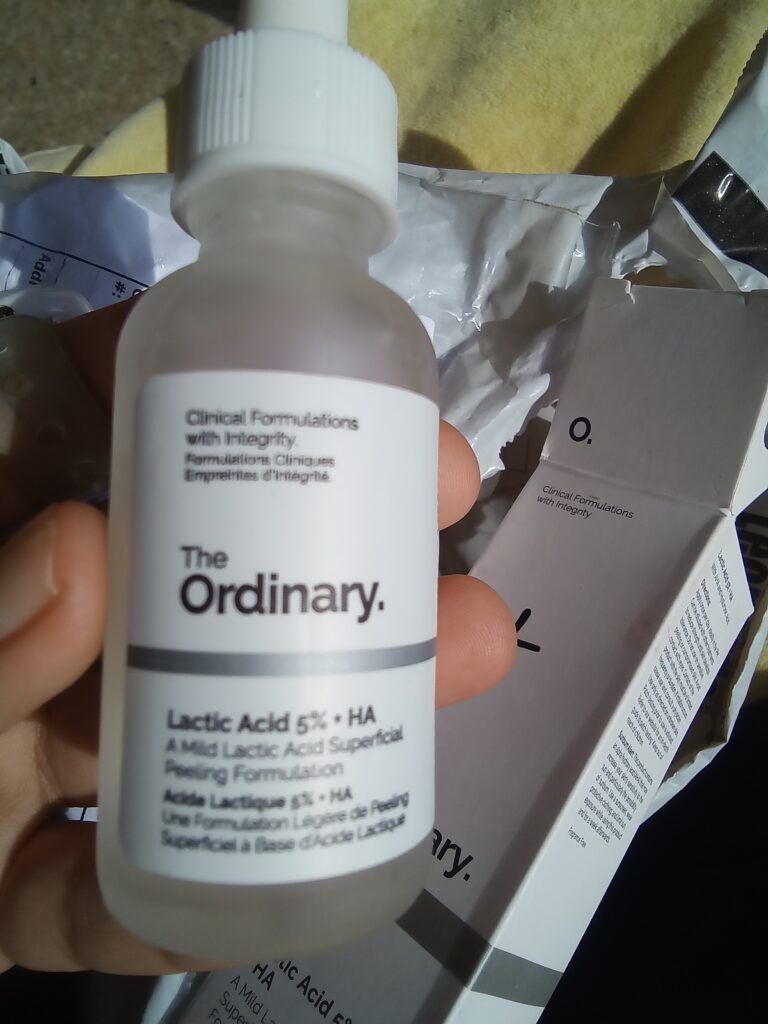
 Lactic Acid 10% + HA
Related products


Formulation Compatibility Tool
See if this product is compatible with other formulations from The Ordinary.

I have ordered first time from this website but they delivered me the wrong product.
Kindly WhatsApp Us: 0300-5452790 with Order ID!
I haven’t received my new order yet. However, the previous ones were original.
Works great on my skin. I use it at night. Love the Ordinary brand.
This did great things for my skin and I love using it. Adds moisture and helps exfoliate. My skin is much improved!
Lactic acid helps thicken skin that’s thinning out. I use this under The Ordinary’s copper peptide serum. It is very gentle.